01
Before quoting
We confirm the specification first
Grade, moisture, tolerance, packing and destination are settled in writing before a price is issued, so the quotation describes a real consignment rather than an average one.
Who We Are
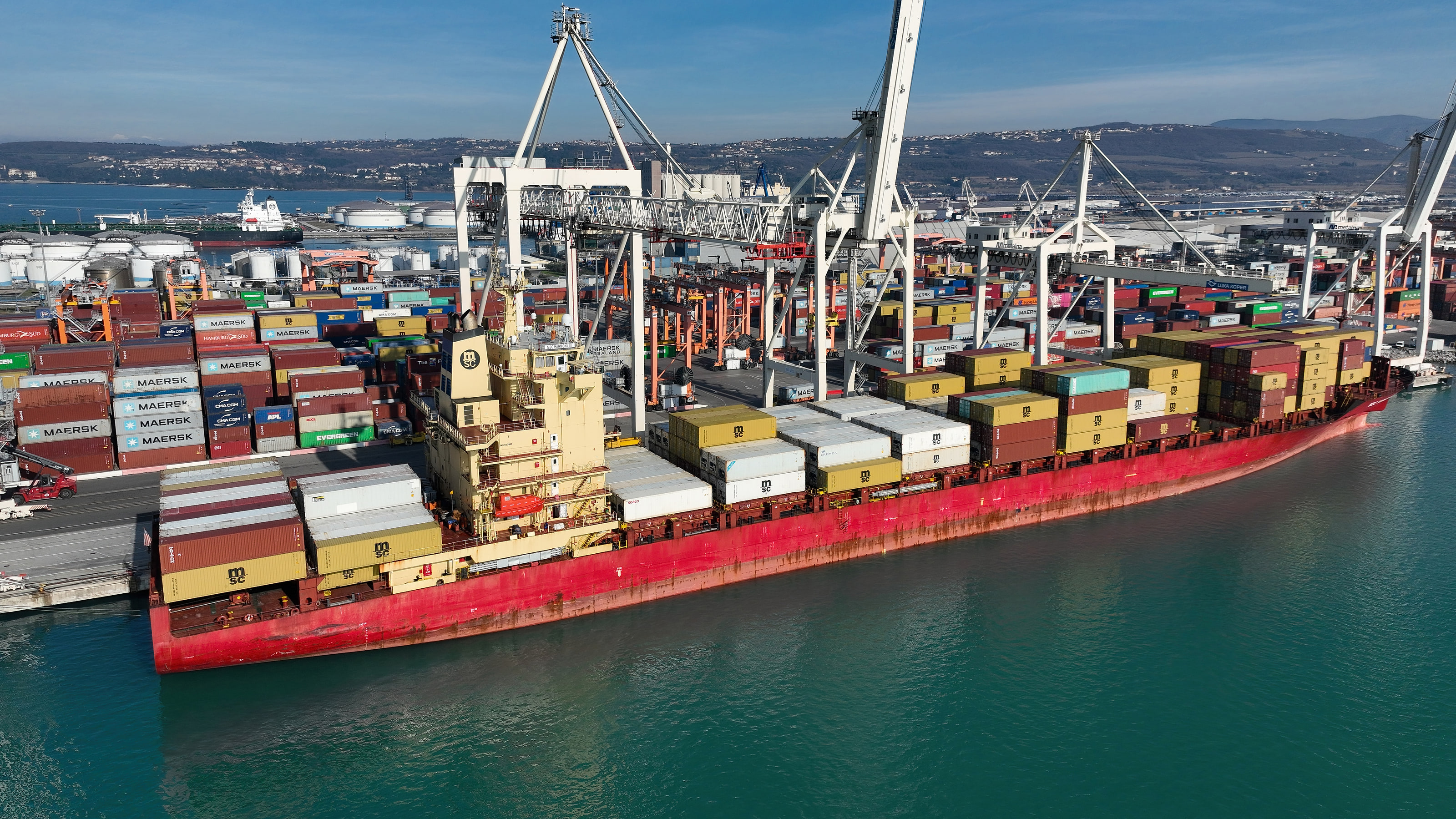
Ahmed Trading Company sources quality agricultural commodities, food products and industrial materials, and delivers them to buyers across global markets.
In brief
Ahmed Trading Company is an international import and export company. We source quality agricultural commodities, food products and industrial materials, and deliver them to buyers across global markets under terms agreed in writing before a consignment is ever prepared.
The work is unglamorous and mostly consists of getting details right — the moisture level, the bag weight, the marking, the paperwork that has to match the container that actually loads. That is what buyers are really paying for, and it is what we organise the business around.
We trade in both directions. Where a buyer needs a commodity we do not hold, we will say so rather than substitute something close and hope it passes.
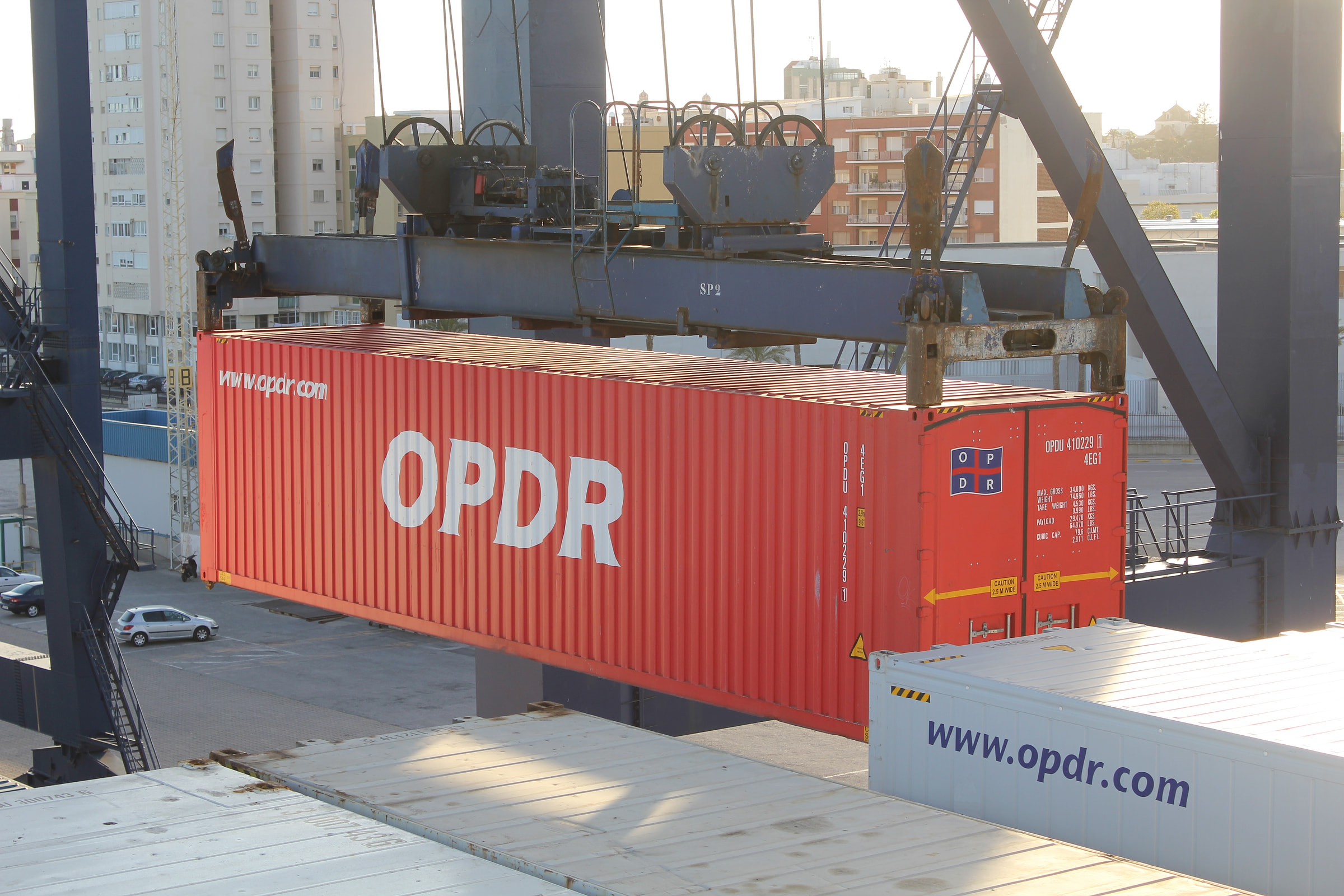

A focused catalogue rather than a broad one, supplied in full container loads to established markets across Asia and the Gulf.

Sourcing origin
Mangalore / Kochi
Coastal India — the ports the portfolio loads from.
Where it starts
Goods are sourced from established growing belts and processors rather than off an open market, so the same supply can be found again next season.
Moisture is the parameter most consignments fail on. Goods are dried and conditioned before they are graded, not after the order is placed.
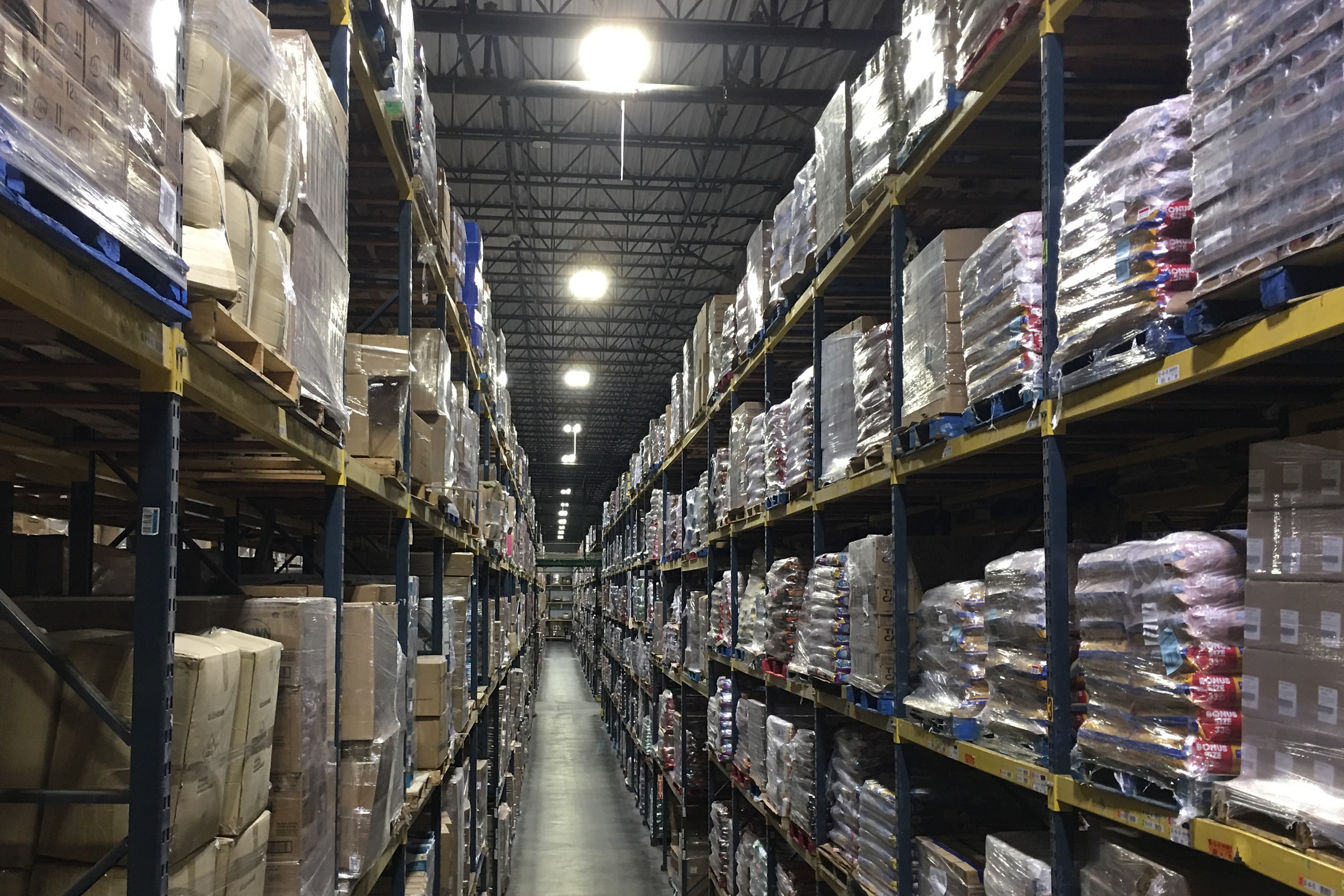
Graded stock is kept in dry, ventilated storage until the booking is confirmed, then stuffed under supervision at the loading point.
How we work
None of this is remarkable. It is simply what has to happen for a container to arrive as described, and the discipline of doing it every time is the difference buyers actually notice.
Before quoting
Grade, moisture, tolerance, packing and destination are settled in writing before a price is issued, so the quotation describes a real consignment rather than an average one.
Before loading
Consignments are sorted and checked against the agreed parameters. Where a lot cannot meet them, we say so and re-plan rather than ship on hope.
At packing
Bag type, weight and marking are matched to the commodity and the transit. Aroma-sensitive lines are kept away from strong odours; perishables get airflow.
At documentation
Export documents are prepared to reflect the declared grade and quantity that actually loads, which is where most avoidable delays at destination come from.
In transit
Booking, loading, documents and insurance are coordinated together, so a buyer is not chasing three parties for the same shipment.
After delivery
Repeat business is worth more than a good margin on one container, which is the simplest reason to be straight about what a lot actually is.